Indy Acoustic Research
  • Home
  • People
  • Services
    • Consulting
    • Testing
    • Product Design
    • Teams Pre-Certification
  • Blog
  • Contact
  • Employment
  • Partners

IAR Mouth Source Prototype V1.0

6/25/2025

 
Over the years devices have become more complex and we found ourselves needing an increasing number of artificial speech sources to simulate interfering talkers. The IAR Mouth Source was developed as a low-cost, accessible ITU-T P.51 compliant acoustic source for testing. It aims to replicate human speech directivity while being easy to manufacture and maintain. The design balances performance, manufacturability, and compliance with international standards- and while we're currently using it in some measurement setups, there is still a list of improvements desired.
Picture
Goals: Accessible and Standards-Compliant
The primary goals were:
  • Low total cost ($50 target)
  • Manufacturable in-house (FDM or SLA enclosure)
  • Use of a commercially available driver, 2-3" diameter.
  • Compliance with ITU-T P.51 for both nearfield and farfield response.
  • Improved bandwidth (current Artificial mouths we have are 100Hz - 10kHz bandwidth)
Design and Build: Simulation-Driven Iteration
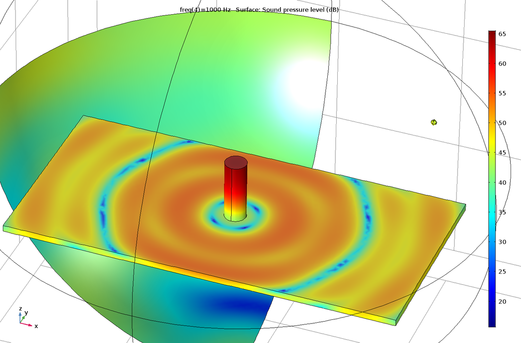
COMSOL was used to model the front volume and opening geometry, which significantly affect nearfield acoustic performance
Picture
​Rapid iteration of geometries resulted in a finalized design that would ensure compliance with P.51.

Read More

Form 4 Printer Addition

6/25/2024

 
Picture
IAR is thrilled to introduce a significant enhancement to our prototyping capabilities: the Form 4 SLA Printer. This cutting-edge technology vastly improves our ability to swiftly address detailed acoustic queries such as "what happens when I change XYZ...?"

​IAR has prototyped plastic parts using a Fused Deposition Method (FDM) printer (Prusa), supplemented by a large-format resin printer (Peopoly L) added three years ago. While FDM remains ideal for economical and rapid fixturing solutions, its melted plastic lines and occasional air gaps between layers act acoustically like a highly resistive porous wall, necessitating epoxy coating of thin enclosure walls for transducer applications—a labor-intensive process.
Read More

Exploring Audio for Smart Glasses: A Look into Open Ear Speaker Design

1/18/2024

 
The use of non-occluding off-ear audio speakers has significantly increased in recent years, driven by the growth of Augmented Reality (AR), Virtual Reality (VR), and smart glasses assistant products. These devices contribute to the existing array of products with off-ear audio, such as sport earphones, hearing assistants (hearables), and open ear  headphones.

There are several advantages to open ear audio systems. In terms of comfort, the ear pinna and tragus are highly sensitive, making it beneficial to leave them untouched for long-term product wearability. An open design also eliminates concerns about thermal buildup. Furthermore, the acoustic waves of the sound source to naturally diffract around a user's ear which has benefits for perceived spaciousness (stereo image/ERTF) and sound source localization, contributing to the advancement of AR/VR scene realism.

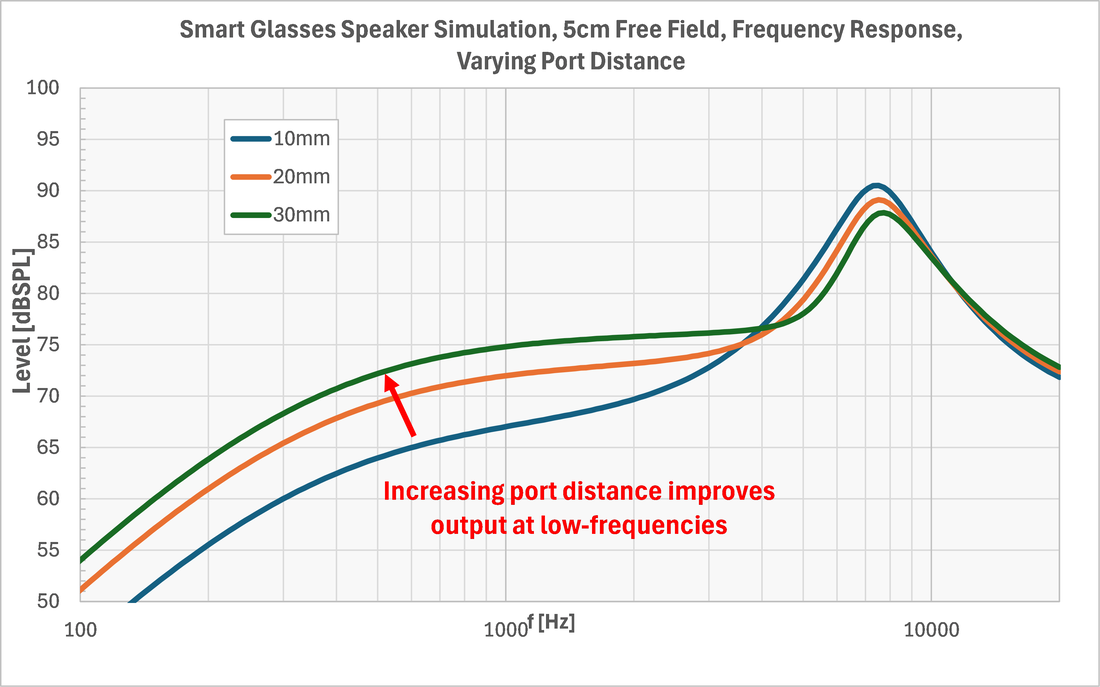
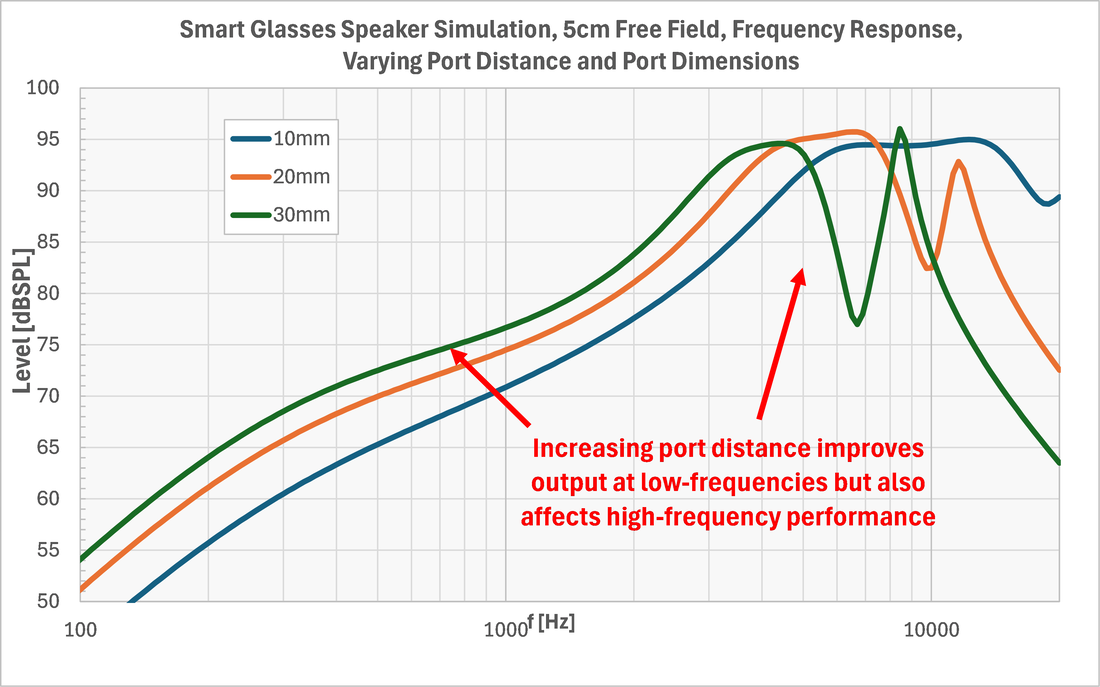
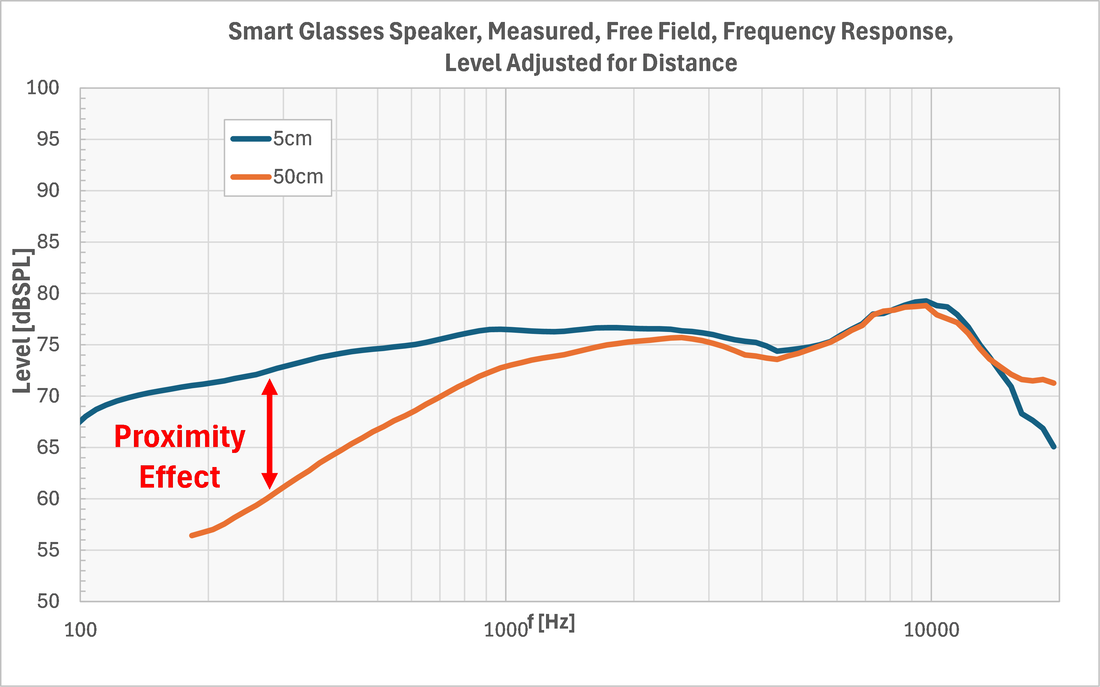
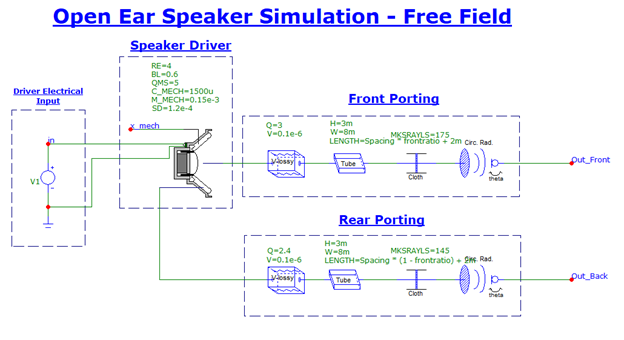
However, a major audio issue with these devices is usually limited bandwidth. Traditional headphone designs require a seal to the ear to reproduce low frequencies with a small driver. Conversely, sealed box microspeaker designs such as those found in laptops and cell phones need a large speaker diaphragm or displacement (volume velocity) and back air volume to produce both low frequencies and the required output level. Such a large and heavy implementation is not typically possible on head-worn products. High frequencies are also often compromised by porting designs and diaphragm break-up modes. This article demonstrates a method of open ear speaker design known as the Dipole design, which utilizes the proximity effect to enhance low-frequency output and increase privacy (the ability of others nearby to hear the wearer's audio). One potential tradeoff, among many possibilities, is illustrated when implementing the dipole effect stretched excessively, impacting high-frequency response.

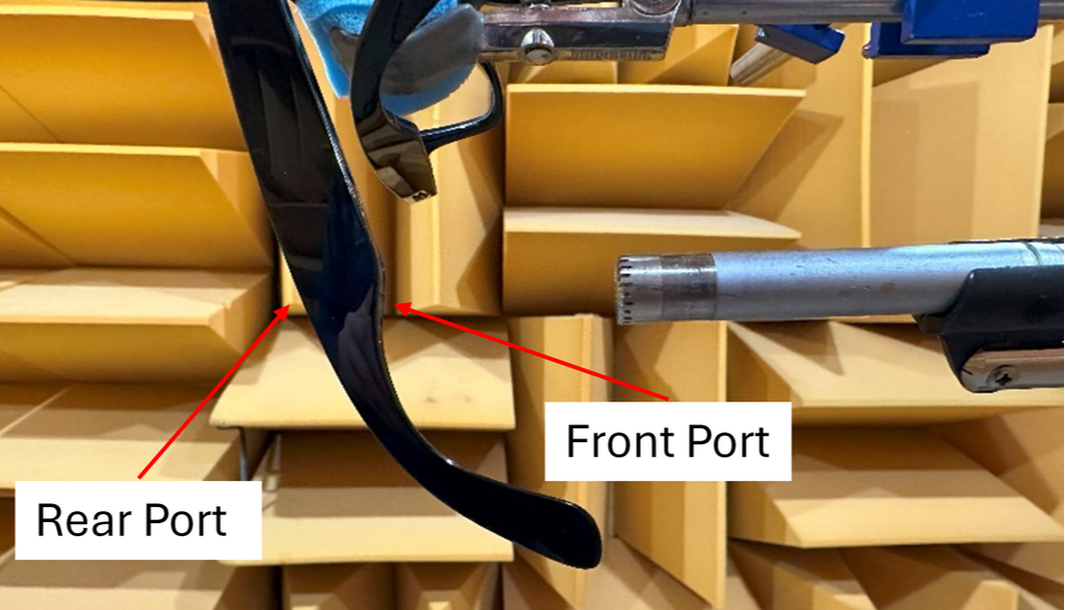
Smart Glasses Free-Field Measurement

A commercially available smart glasses product has two ports for the speaker in the stem near the ear:
Picture

Read More

Noise File Comparison Tool

7/22/2021

 
Whether you’re in a teleconference, a live music setting, or simply working in an office, noise and room reverberation time can affect your ability to pleasurably listen.  With our new Noise Files Comparison Tool, you can hear and easily compare different kinds of noise to aid in self diagnosing issues quickly and efficiently.  For example, you can toggle between 60Hz, Bluetooth, GSM, and Wi-Fi noise interferences to help find the source of unwanted sounds.  Also included are different types of broadband and background noise such as pink noise, white noise, city traffic, and a crowded pub.
​
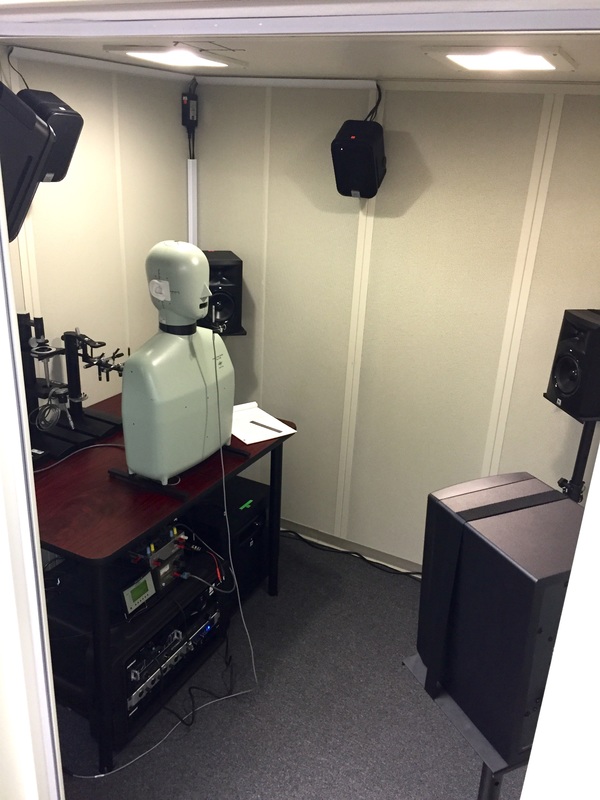
Additionally, recordings of the in-house Head and Torso Simulator (HATS) playing back an IEEE standard speech file were taken in an anechoic chamber, an acoustically treated room, and a highly reverberant non-acoustically treated room. These can be compared to highlight the impact partial and full acoustic treatment has on speech intelligibility.  

We can also use this tool to create custom recordings of your product in different noise conditions, tuning configurations, or other impairments- for subjective evaluation without a trip to our lab. For dB-accurate reproduction we ship you a DAC and Reference Headphones with Comparison Tool files corrected for both the headphone response and binaural HATS Head Related Transfer Function (HRTF).
​
By: Shannon McConnell

Voice Coil: March 2021 Article

3/1/2021

 
Picture
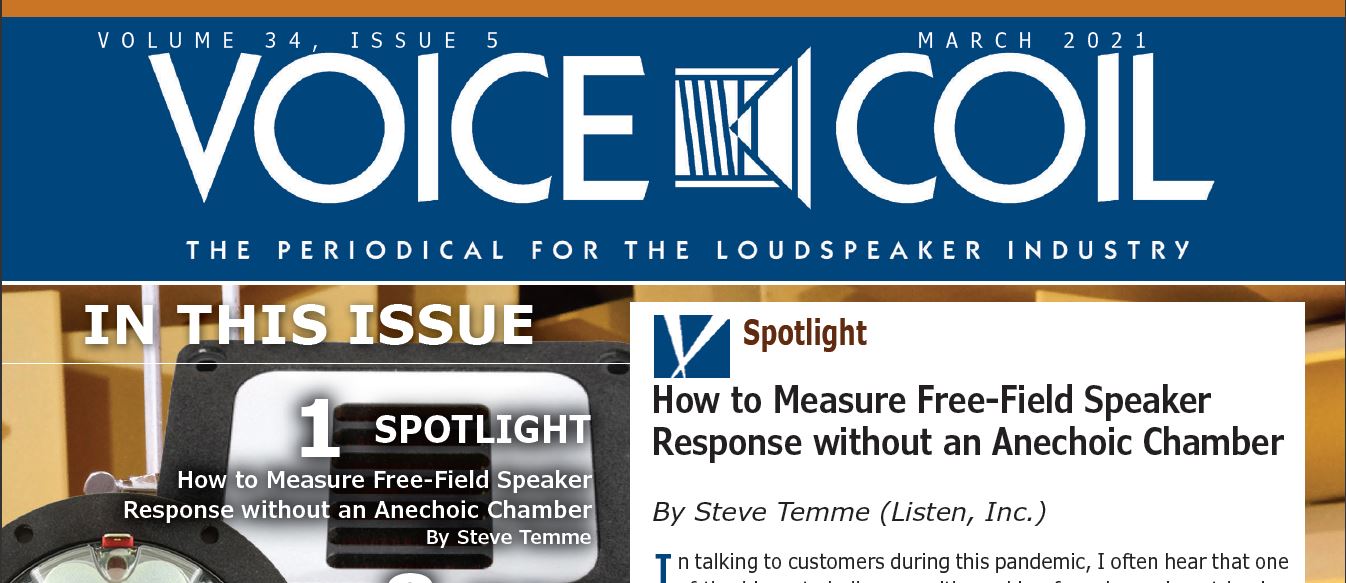
Indy Acoustic Research collaborated with Listen, Inc. to bring the data behind the article "How to Measure Free-Field Speaker Response without an Anechoic Chamber" featured in the March 2021 Voice Coil article, linked below!

The hybrid splice method of loudspeaker frequency response measurement compares well with an anechoic chamber for a single loudspeaker if the splice frequency can be determined. However, complex devices require the greater flexibility in setup conditions and off-angle measurements afforded by a full chamber. 
article_vc_mar2021_simulated_free_field.pdf
File Size: 8919 kb
File Type: pdf
Download File

New Bruel & Kjaer 5128 added

1/3/2019

 
Picture
 

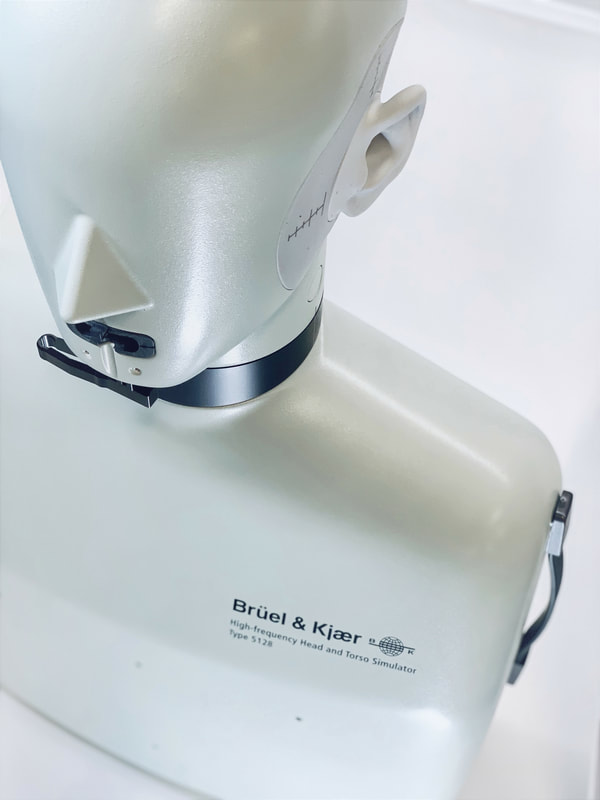
The Bruel & Kjaer 5128 is the latest state-of-the-art Head and Torso Simulator (HATS) for acoustic measurements. IAR has recently added this new binaural HATS, allowing us to expand our test capabilities and setups.

This includes:
  • high-resolution headphones
  • handsfree devices
  • superwideband speakerphones.
  • ETSI 202-391-1 and ITU-T P.570 room calibrations
​ Please contact us if you need hi-resolution device measurements or setting up test rooms with simulated background noises!

3D Printing in-House

3/21/2018

 
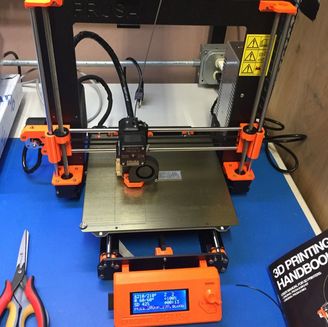
To speed iterative prototyping and fixture creation for some assemblies and housings, IAR has brought reliable and low-cost FDM prototyping in-house. Common items we print include speaker baffle adapters, customer housing mockups for probe microphone measurements, or other fixtures to support device assembly or measurements. Maximum print size on this device is approximately 9 x 8 x 8 inches. High-resolution SLA and smaller assemblies will continue to be sourced from a handful of Indianapolis-based prototyping shops.
Picture

Simulation of Microphone Arrays

3/19/2018

 
Picture
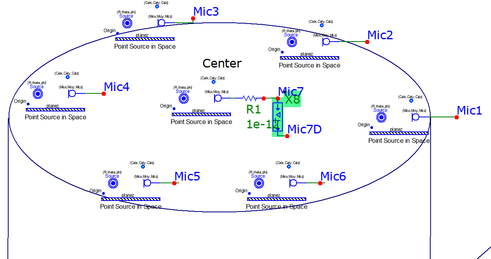
 Many far-field voice devices employ beamforming microphone arrays to improve speech recognition and communication performance. However, often the simulation of the acoustic wave during DSP design only includes phase differences due to array spacing and neglects more complex geometry such as element porting, enclosures, tables or walls.  These objects cause diffraction and reflections of the incoming acoustic wave around the sensor can lead to errors in beamforming and direction-of-arrival algorithms. IAR can use Comsol Multiphysics or Lumped Element Simulation (depending upon the complexity of geometry, frequency range of interest and available time) to provide simulated complex acoustic pressure “vectors” to DSP designers to improve the performance of the array including geometric features, prior to any prototype production or PCB fabrication.

Picture

IAR Turns ONE

4/4/2016

 
By: Marc Reese and Larry Marcus
​
Indy Acoustic Research celebrates its first year! 

A lot of effort has gone this year into building our lab's capabilities to ensure we can support our customer's needs and timing. Below are some pictures of some of our activities in the past few months.
Picture
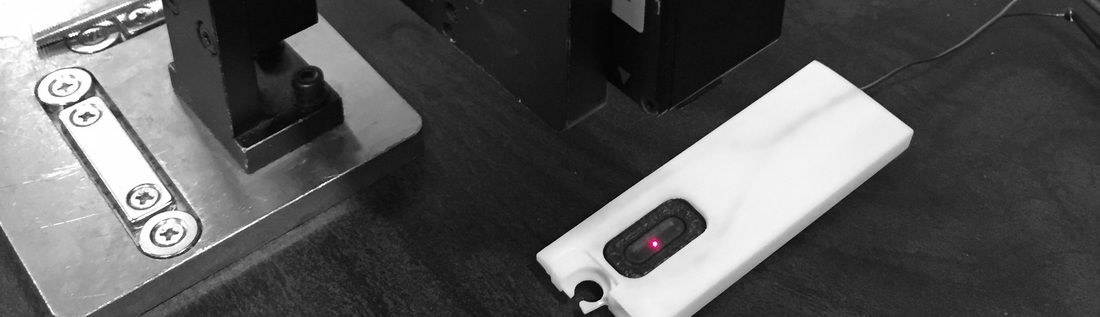
Indy Acoustic Research now has the capability to measure speaker displacement directly though a non-contact laser.
Picture
We're just baffled! An IEC-60268 spec baffle allows for testing speaker components up to 3" diameter.
Picture
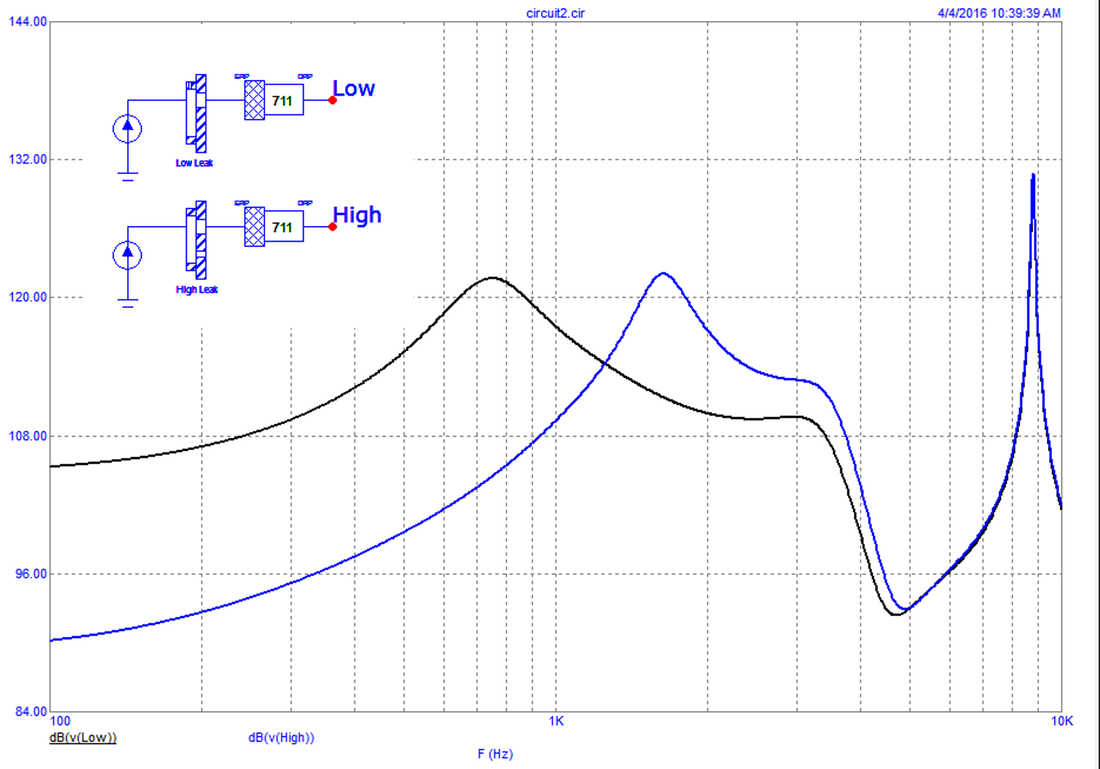
Simulation improvements have been made for leaky ear models (4195, shown), Transmission Line models of circular and rectangular tubes and radiation patterns of loudspeakers.
Picture
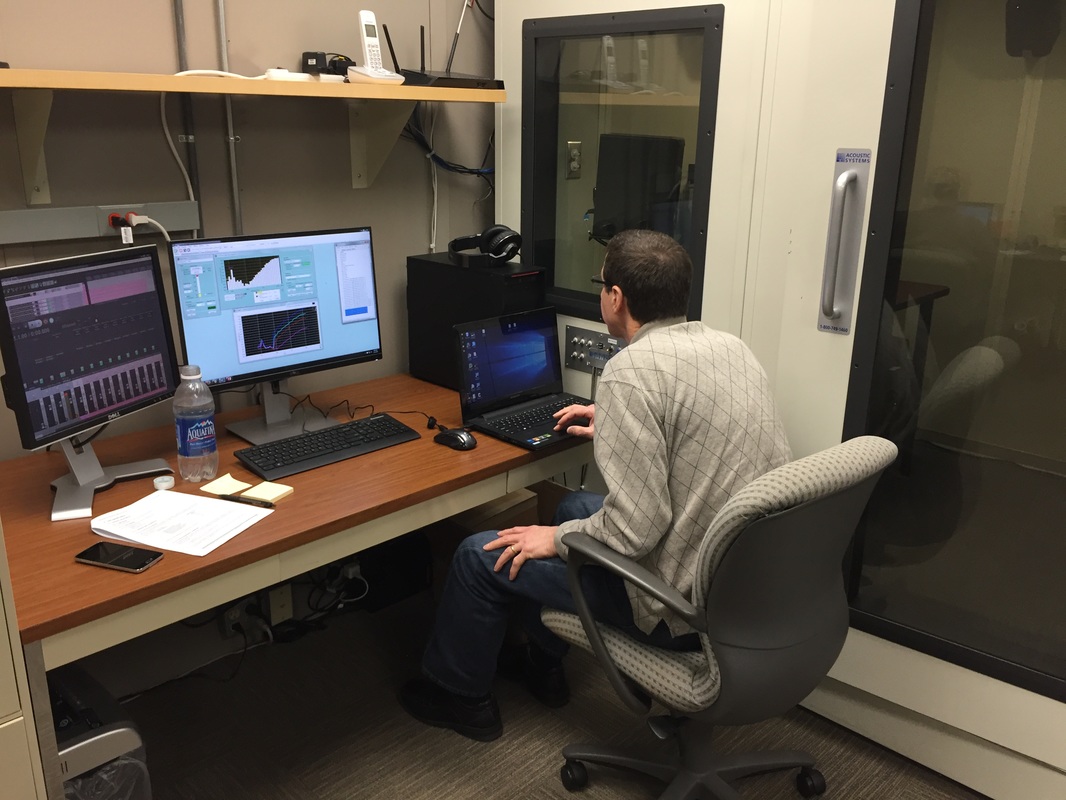
Perceptual Objective Listening Quality Analysis (POLQA) testing on HATS in a customer-defined diffuse noise profile requires that SoundCheck, DAW and POLQA software are run simultaneously
Picture
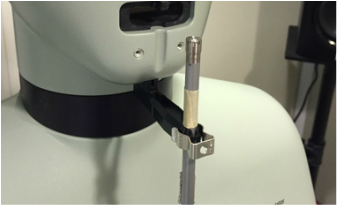
One of the annoyances in the venerable B&K 4128 HATS is that the chin clip for holding the mic splits due to the stress concentration from inserting the mic. A fuse clip costing less than a dollar is an economical fix with no measurable change to the acoustic field.

Bell Labs Indianapolis Anechoic Chamber History

11/17/2015

 
by: Larry Marcus

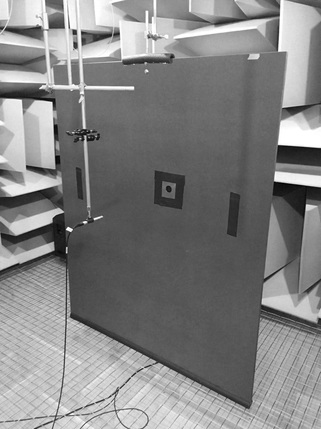
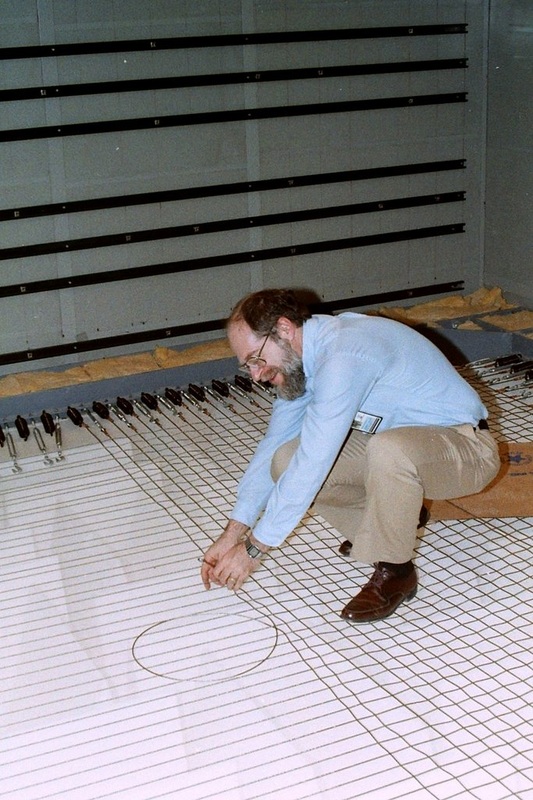
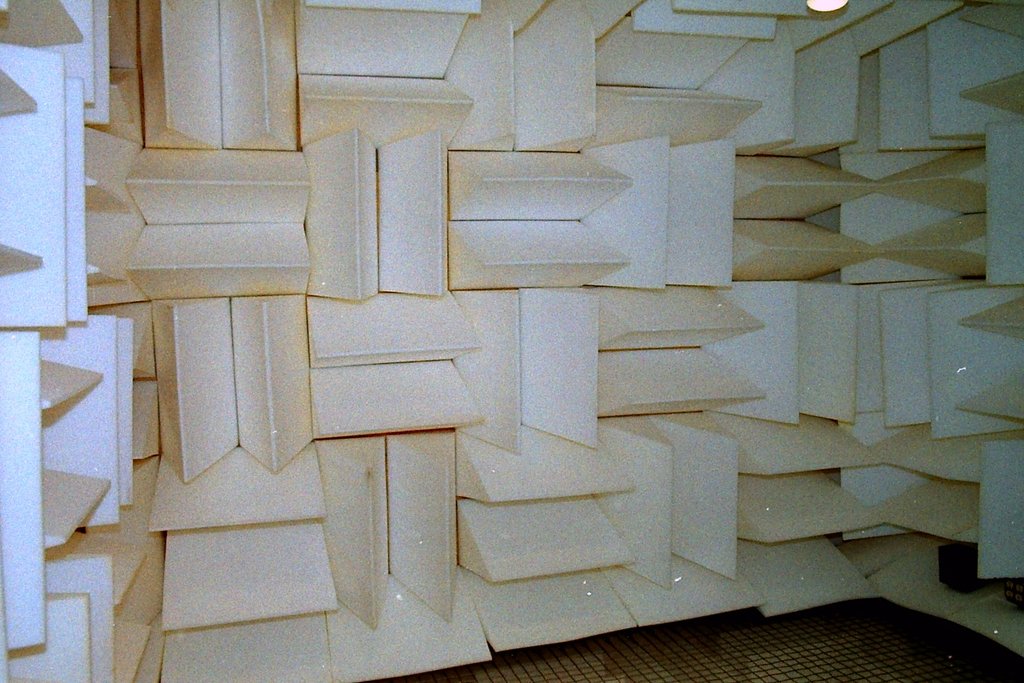
Built in 1984, the IAR Anechoic Chamber is like me: it’s old but it still works. It has a cutoff frequency of about 120Hz and is about 3 meters by 3.7 meters by 2.6 meters tip-to-tip.  Compare the photo here with the more recent one below in this blog series with the four intrepid IAR founders!

Significant products developed and studies conducted in our anechoic chamber include many IEEE and TIA standards contributions, the first gradient microphones with speakerphones, first extensive ISDN and VoIP testing, first mechanical-acoustical analysis of conference phones, etc., not to mention days upon days of other transducer development and product testing.
Picture
Former Bell Labs colleague Rich Sachs stringing floor cables
Picture
The wedges were white? Must have absorbed so much sound over the years that they've turned yellow!
<<Previous
    View my profile on LinkedIn

    RSS Feed

    Archives

    June 2025
    May 2025
    June 2024
    January 2024
    February 2023
    December 2021
    July 2021
    March 2021
    January 2021
    March 2020
    January 2019
    March 2018
    October 2017
    March 2017
    December 2016
    April 2016
    November 2015
    October 2015
    September 2015
    July 2015

    Categories

    All
    Equipment
    Excel
    Glenn Hess
    Larry Marcus
    Marc Reese
    Shannon McConnell
    Simulation
    SoundCheck
    The Lab
    Tricks Of The Trade

Copyright ©2015-2025 Indy Acoustic Research LLC. All Rights Reserved.
​